

According to research carried out by The Sage Group in November 2013 approximately 50% of patients suffering from a diabetic foot ulcer (DFU) were also suffering from peripheral artery disease (PAD).

This was a significant find since research revealed that DFU with PAD is quite different concerning location, morbidity, severity, mortality and costs. Consequently, experts concluded that DFU with or without PAD should be treated as two different diseases.

According to the president of The Sage Group, Mary L Yost, “PAD is associated with adverse outcomes that include:

What’s more, increased PAD severity increases the risk of non-healing ulcers, amputation, and mortality.”

This is why it’s so important that patients suffering from diabetes are aware of the tell-tale signs and symptoms of PAD so they can seek early treatment before DFUs or other serious conditions develop.

So, what’s the connection between diabetes and PAD?

People with diabetes are more at risk of developing peripheral arterial diseaseparticularly those over the age of 50. One of the most common conditions to develop in diabetics with PAD is foot or toe ulceration. This is a slow-healing open sore that may be superficial or can spread to the tendons and bones resulting in a serious condition that requires urgent medical attention. In fact, a study in 2019 revealed a history of foot ulceration in 1 to 3.5 million Americans.

The risk for diabetic patients to develop a foot ulcer at some point in their life is as high as 25% according to the American Diabetes Association. Sadly, with diabetes on the rise, it’s expected that the number of diabetic foot ulcers will also increase.

What PAD symptoms do diabetic patients need to look out for?

One of the most common conditions associated with diabetes is peripheral neuropathy – weakness or numbness in the feet or toes. This can be extremely dangerous for diabetics since it can mask the early signs of PAD which include painful calves when walking and pain between the toes when resting. There is an increased risk to diabetics because superficial skin infections or sores can quickly progress to full-blown infections of the soft tissues or bone.

Why does diabetes cause so many foot problems?

High blood sugar levels are a common problem for diabetics and over a prolonged period, this can damage nerves or blood vessels causing numbness or loss of feeling to the toes and feet. Because legs and feet have smaller blood vessels they’re also more prone to blockage. With regards to circulation, the feet receive the least amount of blood because they are quite literally ‘at the end of the road’. Because neuropathy can numb the feet of diabetics, often they don’t realise anything is wrong until it’s too late. This is why diabetics must regularly attend endovascular screenings.

What if I don’t have diabetes, how do I know if I have peripheral arterial disease?

The most common sign that you may have PAD is pain in the back of the legs when you walk. Known as claudication, the pain occurs as a result of plaque blocking the arteries that deliver a flow of blood to the legs.

Other common PAD symptoms include:

What is a warning sign of peripheral arterial disease?

One of the issues with PAD is rapid progression. For example, if a person was walking around quite normally a week ago and now is barely able to get around, this is a warning sign that things are not right. Severe pain in the toes alongside acute discoloration is also indicative of advanced peripheral arterial disease.

Misconceptions of PAD

Unfortunately, because many people in their 70s and 80s suffer from PAD the warning signs are often missed. Quite often they don’t realise they have a problem. They may only experience pain in their legs when they walk up the stairs and put it down to being out of shape or one of the effects of aging.

Pain in the legs is not a natural effect of aging, instead, it’s your body’s way of telling you that something is wrong. If there is a lack of blood flow to the legs, PAD will only get worse.

Another common misconception comes from confusion between arteries and veins. The former delivers blood from the heart to the rest of the body whereas the latter returns the blood to the heart.

PAD is caused by a build-up of fatty acids or plaque in the arteries. While bulging veins or varicose veins are of concern, they are not normally indications of peripheral arterial disease.

If you or a loved one are experiencing pain in the legs, coldness or numbness in the legs or feet, or wounds that are taking an age to heal, you could be suffering from the early stages of peripheral arterial disease.

What steps can be taken to help avoid PAD?

In some cases, the onset of PAD may not be preventable, particularly in elderly people. But for the rest of us, especially diabetics, it’s vital to be proactive. 5 easy things anyone can do to help avoid PAD include:

How we treat peripheral arterial disease

Here at the Midwest Institute for Non-Surgical Therapy (Mint)we perform diagnostic imaging such as a duplex ultrasound to evaluate your arteries and assess the extent of the blockage. When PAD is caught in its early stages, lifestyle changes may be all that is needed. We also provide several non-invasive treatments for PAD and will discuss your best options. Call today on (314) 380-0186 to arrange a free screening or consultation with Dr Goke Akinwande. We have 5 clinics for patients to choose from, including the latest addition in Chicago, IL.

Diabetes
December 1, 2025  •  vineesh nair

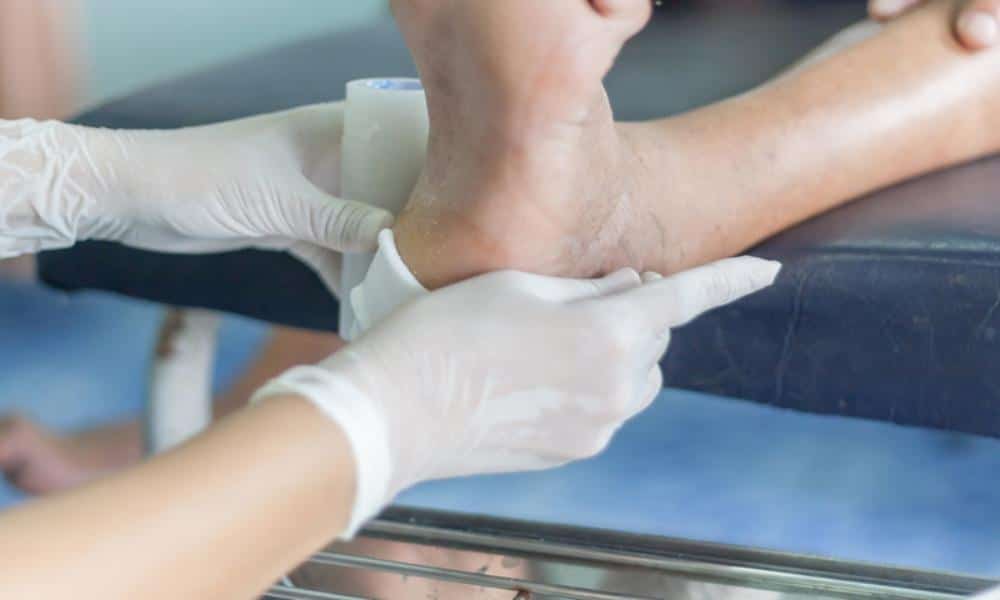
Diabetic Foot Ulcers and PAD – Understanding the Connection

According to research carried out by The Sage Group in November 2013 approximately 50% of patients suffering from a diabetic foot ulcer (DFU) were also suffering from peripheral artery disease (PAD). This was a significant find since research revealed that DFU with PAD is quite different concerning location, morbidity, severity, mortality and costs. Consequently, experts concluded that […]
Read Article →
Foot Health
December 1, 2025  •  vineesh nair

A Closer Look at the Different Types of Diabetic Ulcers on the Foot

Diabetic ulcers on the foot can affect people with both type 1 and type 2 diabetes, occurring when the skin breaks down and skin layers beneath become exposed. These slow-healing wounds can become a serious health issue because they carry a high risk of infection, which may spread to the bone. Generally, antibiotics are effective, […]

Read Article →
Diabetes
December 1, 2025  •  vineesh nair

– Diabetic Wounds And Other Warning Signs That Appear On The Skin

Diabetes affects many parts of the body, including the nerves, heart, brain, kidneys and skin. Healthy people experience similar skin problems, but those with diabetes are at a higher risk. From blisters and diabetic wounds to dry skin and reddish or brown patches, there are numerous warning signs you could be suffering from a diabetes-related […]

Read Article →
Foot Health
December 1, 2025  •  mintdoc

And The Best Exercise For Those Suffering From PAD is…

PAD or Peripheral Artery Disease affects 1 in 20 Americans and is a common circulatory problem. It occurs when severely narrowed arteries cause a reduction in blood flow to the limbs – Usually the legs. This, in turn, causes symptoms like leg pain, muscle pain or muscle cramping where the severity can vary from a […]

Read Article →
Diabetes
December 1, 2025  •  vineesh nair

Five Of The Best Types Of Food For Diabetic Neuropathy

Neuropathy is a complication of diabetes that can cause nerve damage throughout the body. Without treatment, it can lead to infection and potentially amputation of the affected area. Around 50% of people with diabetes have some form of nerve damage that causes various health problems and impacts their quality of life. Fortunately, neuropathy isn’t inevitable and controlling […]

Read Article →
Diabetes
December 1, 2025  •  vineesh nair

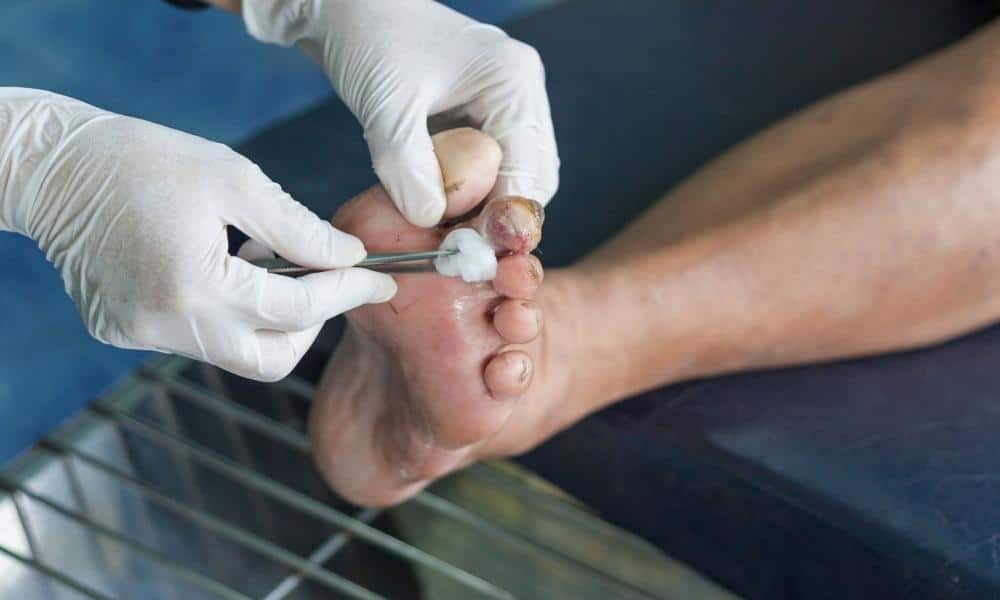
Mind Over Pain: Mental Health Strategies for Coping with Diabetic Neuropathy

Diabetes is a condition that is estimated to affect more than 529 million people worldwide yet, surprisingly, many people don’t realise that the condition extends way beyond physical symptoms and can significantly impact mental health. Understanding Diabetic Neuropathy High blood sugar is the thing that comes to mind when most people consider diabetes. But were you aware […]
Read Article →
Foot Health
December 1, 2025  •  vineesh nair

Diabetic Foot Ulcer: Causes, Treatment & Prevention Tips

Blisters on the feet are typically caused by ill-fitting shoes rubbing against the skin or from the pressure of walking or running long distances. However, if you’re living with diabetes, a minor foot problem such as this can quickly escalate and turn into a painful, infected wound known as a diabetic foot ulcer, which can […]

Read Article →
Foot Health
December 1, 2025  •  vineesh nair

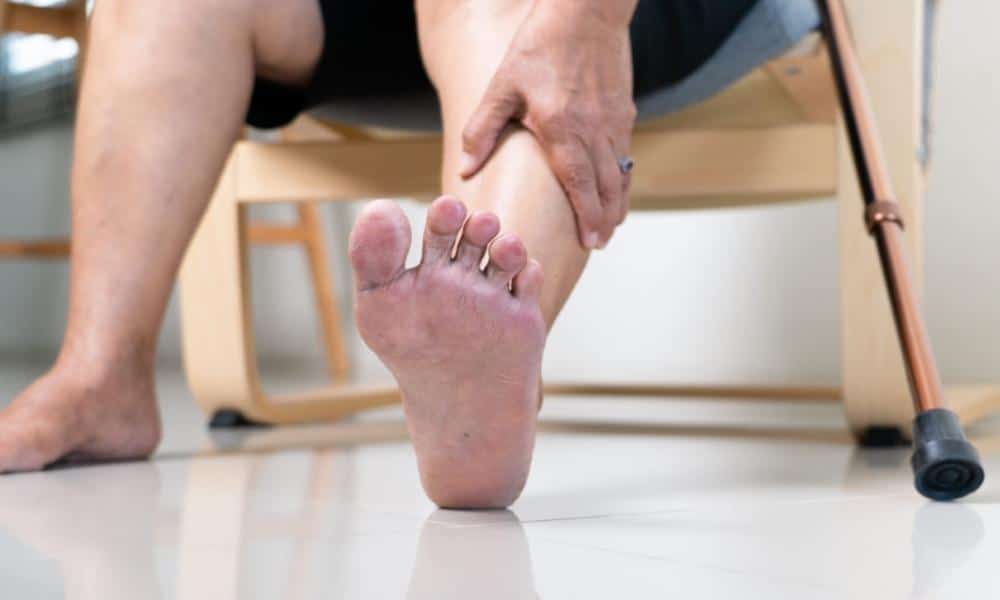
Preventing Diabetic Foot Ulcers – 5 Steps For A Healthy Journey

Diabetic wound infections are common and preventable occurrences that increase the risk of amputation. According to the American Podiatric Medical Association (APMA), approximately 15% of diabetic patients develop a diabetic foot ulcer and six per cent of those will be hospitalized due to wound infection or other complications. As with every other type of infection, […]
Read Article →
Foot Health
December 1, 2025  •  vineesh nair

How To Spot The Signs Of A Diabetic Ulcer On The Foot

A foot ulcer is one of the most common and serious complications for people with diabetes, occurring in approximately 15% of patients, according to the American Podiatric Medical Association. Diabetic ulcers on the foot can occur in anyone with type 1 and type 2 diabetes and refer to an open sore on the foot, usually […]

Read Article →
Foot Health
December 1, 2025  •  vineesh nair

The Dos and Don’ts of Diabetic Wound Care

Following any wound, the body’s immune system kicks into action. It sends blood clotting factors and other blood products to repair the injury and white blood cells to stop infections from taking hold. However, for a person with diabetes, the wound healing process is often slower. Poor circulation leads to decreased blood flow and oxygen […]

Read Article →