
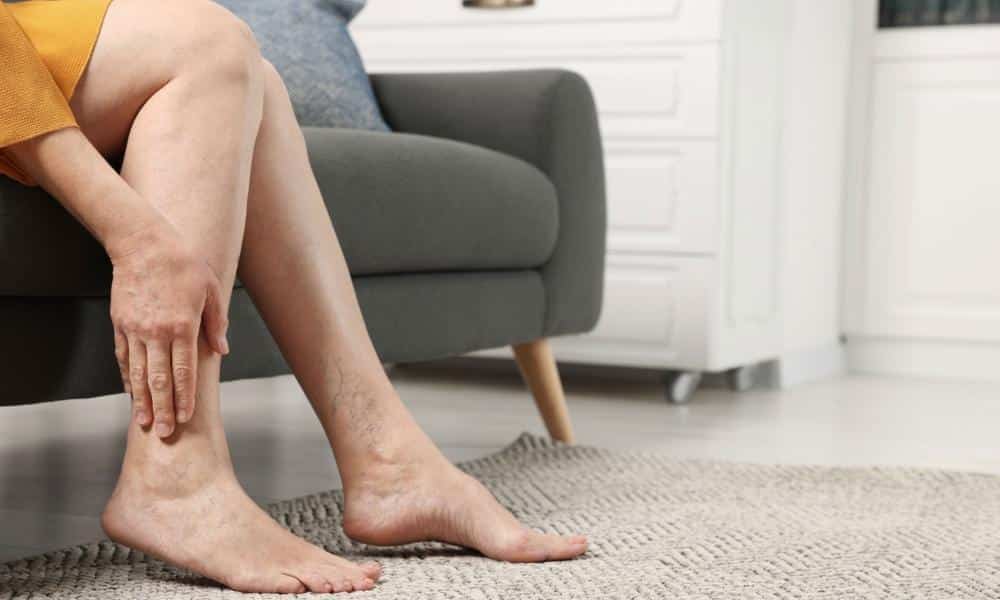
Vein disease is a progressive condition that affects millions of people worldwide. In fact, in the US alone, more than 6 million people are suffering from severe vein disease while more than 25 million adults have varicose veins. Unfortunately, no matter how healthy you are overall, certain lifestyle choices and genetic factors can contribute to the development and progression of Chronic Venous Insufficiency (CVI) which can lead to serious complications if left untreated. Scientifically it’s impossible, to completely rule out the chances of developing CVI due to factors like age, gender, and autoimmune disease that are beyond our control. Understanding the contributing factors to vein disease is crucial for prevention and management. We explore eight factors that can contribute to vein disease and offer strategies to combat them. So, let’s dive in and get started.

  1. Being Female

Results across various studies suggest that in the general population, between 1% and 40% of women are likely to develop CVI compared to between 1% and 17% of men. Why? Fluctuations in the hormones during puberty, pregnancy, menopause and even the use of birth control pills can increase the risk. It’s thought that Estrogen weakens vein walls, making them more susceptible to varicose veins. Combat it: It’s important for women to monitor their vein health, particularly when their hormones are all over the place. Wearing compression stockings during pregnancy and avoiding long periods of standing can help reduce the risk.

  1. Genetics

Yep, blame your mom or dad! According to the NIH, there is a 90% chance of their children developing varicose veins if both parents suffered from them; 25% for males and 62% for females when one parent was affected, and 20% chance when neither parent was affected. Combat it: Although you can’t change your genetics, you can be proactive about your vein health. Maintaining a healthy weight, exercising regularly and avoiding tight clothing help to manage the risk.

  1. Obesity

The clinical severity of vein disease is often worse in obese patients. Excess weight places additional pressure on the veins, particularly the lower legs, which can cause the veins to enlarge and affect their ability to return blood to the heart, leading to varicose veins and other forms of vein disease. Combat it: Weight management through regular exercise and a balanced diet is crucial. Even a modest weight loss significantly reduces pressure on the legs and lessens the risk of developing vein disease.

  1. Prolonged sitting or standing

Many jobs involve long periods of sitting or standing which can contribute to vein disease. Prolonged sessions of inactivity can cause blood to pool in the legs, increasing the risk of varicose veins and deep vein thrombosis (DVT) Combat it: Take breaks whenever possible to walk around; or when you’re sitting, practice simple exercises such as rotating your ankles or raising your calves to improve your circulation. We also recommend wearing over-the-knee compression stockings beneath your pants which help blood flow more smoothly back towards your heart.

  1. Smoking

Smoking damages blood vessels causing them to thicken and become narrower. This, in turn, makes your heart beat faster and causes a rise in blood pressure. Blood clots can also form. Twisted, bulging veins or leaky vein valves that control the one-way flow of blood, can also be caused by vein constriction. Combat: Quitting smoking or limiting tobacco use is one of the best things you can do for your vein health which will reduce vein constriction and help blood flow more freely. We understand that quitting smoking is harder than it sounds but you could consider nicotine replacement therapy, counseling and support groups to help.

  1. Frequent alcohol consumption

While there’s nothing wrong with drinking alcohol in moderation, if you drink daily or frequently consume copious amounts of alcohol, your veins can suffer. You see, alcohol acts like a vasodilator, abnormally expanding the veins enabling more blood to flow and this can be overbearing for veins. As a result, valves in the valves are more prone to malfunction and blood may pool in the legs. Combat: If it’s the social aspect of regular drinking that you most enjoy why not consider switching to zero-alcohol versions of your favourite drinks like beer or gin; Or, if you want something more fancy, mocktails look inviting and can be extremely enjoyable.

  1. Stress

In this fast-paced noisy world that we live in, it can be difficult to relax and remain calm when everything around you seems chaotic. It’s little wonder that about 34% of people admit to feeling that stress overwhelms them on most days. However, it’s vital that you try and reduce your stress levels. According to the American Psychological Association, stress affects all parts of the body from the brain to the veins and can cause the veins to constrict. Combat: Try to reduce your stress levels by reducing the number of nights you work late in the office, practicing some breathing exercises, going for a walk with your dog, or taking up yoga.

  1. Lack of exercise

A sedentary lifestyle is a significant risk factor for vein disease. Regular physical activity helps improve blood circulation while strengthening the muscles supporting the veins. Without exercise, flood flow is slower and can lead to pooling and increased pressure on the veins. Combat: Try to exercise for at least 30 minutes most days to significantly lower your risk of vein disease. Do something you enjoy whether it be walking, cycling or swimming, and then it won’t seem like a chore.

Final thoughts

While genetic predispositions to vein disease can’t be changed, making healthy lifestyle choices can help delay and reduce the severity of symptoms. Staying hydrated, engaging in light exercise, eating iron-rich foods, and elevating your feet during long periods of sitting can all promote better blood flow and support vein health

How we can help

If you’re suffering from the symptoms of vein disease including:

The best course of action is to seek vein treatment. Vein disease won’t suddenly go away. Instead, it’s progressive and without treatment, will get worse over time, leading to more serious complications such as wounds on the legs and venous ulcers. Fortunately, vein disease is treatable and here at MINT, we offer numerous minimally invasive treatments for spider veins and varicose veins. Schedule an appointment with our Board-Certified Vascular and Interventional Radiologists.

Blood Disorders
December 1, 2025  •  vineesh nair

8 Contributing Factors To Vein Disease And How to Combat Them

Vein disease is a progressive condition that affects millions of people worldwide. In fact, in the US alone, more than 6 million people are suffering from severe vein disease while more than 25 million adults have varicose veins. Unfortunately, no matter how healthy you are overall, certain lifestyle choices and genetic factors can contribute to the development […]

Read Article →
Blood Disorders
December 1, 2025  •  vineesh nair

Can B12 Help With Neuropathy?

Neuropathy, in particular peripheral neuropathy, is a progressive degenerative nerve condition that affects approximately 300 million people globally. It is characterized by symptoms such as tingling (paraesthesia), numbness, pain, temperature sensitivity, and muscle weakness in the hands and feet and can spread throughout the body. One of the most common questions asked by those who […]

Read Article →
Blood Disorders
December 1, 2025  •  Olaguoke A

Chronic Venous Insufficiency – Adjust Your Diet & Lower Your Risk

Adopting a Mediterranean diet that is high in oils and full of fruit and vegetables can help lower the risk of developing chr You are what you put in your mouth Did you know that approximately 150,000 new patients are diagnosed each year with chronic venous insufficiency? Or that 20% of Americans are thought to have some type […]
Read Article →
Diabetes
December 1, 2025  •  vineesh nair

Coronavirus and Diabetes: Frequently Asked Questions

COVID-19 is still a new disease, and there is a lot we don´t know. However, new information is being unearthed all the time, including the relationship between coronavirus and diabetes. In this article, we´re going to answer some of the frequently asked questions about how COVID-19 impacts people with diabetes. We hope you find it […]

Read Article →
Diabetes
December 1, 2025  •  vineesh nair

Diabetes and Foot Complications

The term diabetic foot typically refers to ever-increasing complications in the feet of people suffering from diabetes mellitus. Peripheral neuropathy, one of the most prevalent foot problems associated with diabetes, can lead to vascular disease, ulceration and place a person at increased risk of infection. It can also, in some cases, lead to deformities such […]
Read Article →
Diabetes
December 1, 2025  •  vineesh nair

Diabetes and Gangrene – What’s the Connection?

Without early diagnosis and treatment, gangrene can quickly lead to the need for limb amputation. If you have diabetes, recognizing the symptoms of gangrene and understanding why you face a greater risk of developing it is critical. What is gangrene? Gangrene is a condition whereby the skin and soft tissue on a certain part of […]
Read Article →
Diabetes
December 1, 2025  •  vineesh nair

Diabetes, Infections and the Different Types of Gangrene: What You Need To Know

Gangrene is the death of body tissue due to infection and a loss of blood supply. The condition is typically caused by an injury and commonly affects the extremities – fingers, feet and toes. People with diabetes are at an increased risk of developing gangrene because uncontrolled blood sugar levels can damage nerves and the […]

Read Article →
Birth Control
December 1, 2025  •  vineesh nair

7 Tips to Avoid Varicose Veins During Pregnancy

You’re pregnant – Congratulations! Being pregnant is an exciting time but it also throws up certain concerns that you may want answers to or reassurance. One common concern is varicose veins and whether you’re likely to get them during pregnancy. If this is your first pregnancy then obviously you’ve nothing to compare it to. But […]

Read Article →
Dental Health
December 1, 2025  •  vineesh nair

Blue Vs. Green: Demystifying The Color Of Arteries and Veins

Have you ever wondered why some veins appear blue, while others seem green beneath your skin? The colors of arteries and veins are a topic that has puzzled many, but understanding this phenomenon is not only fascinating but can also provide valuable insights into the inner workings of your circulatory system. In this article, we […]
Read Article →
Dental Health
December 1, 2025  •  vineesh nair

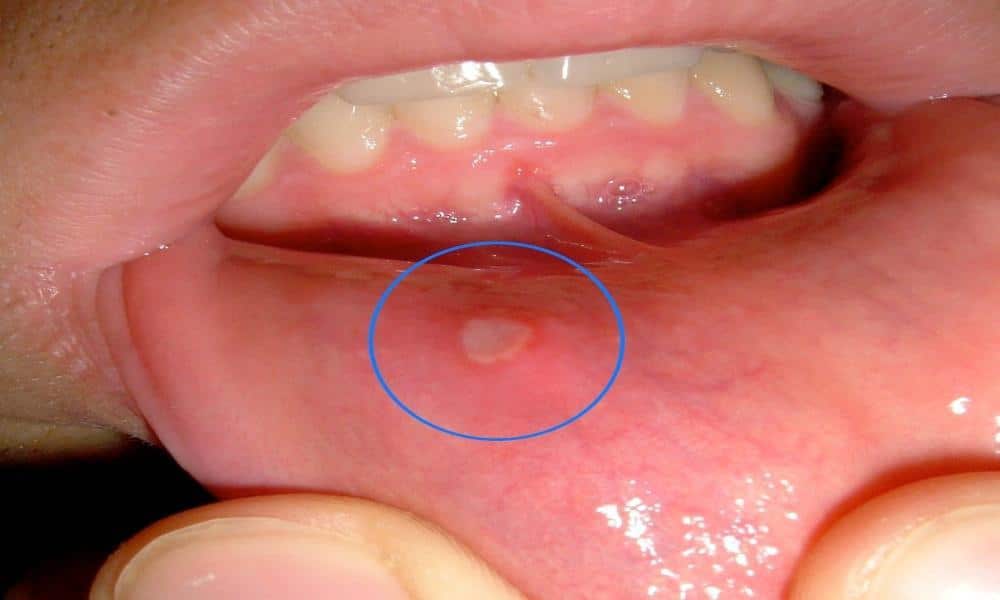
Diabetic Ulcers in The Mouth and Other Dental Problems

Diabetes can take its toll on your whole body, including putting you at risk of dental and oral health problems such as diabetic ulcers in the mouth and gum disease. Mouth Ulcers Mouth ulcers are sores or lesions that typically appear on the soft tissue and inner parts of the mouth such as the cheek […]

Read Article →
1 2 3 4