

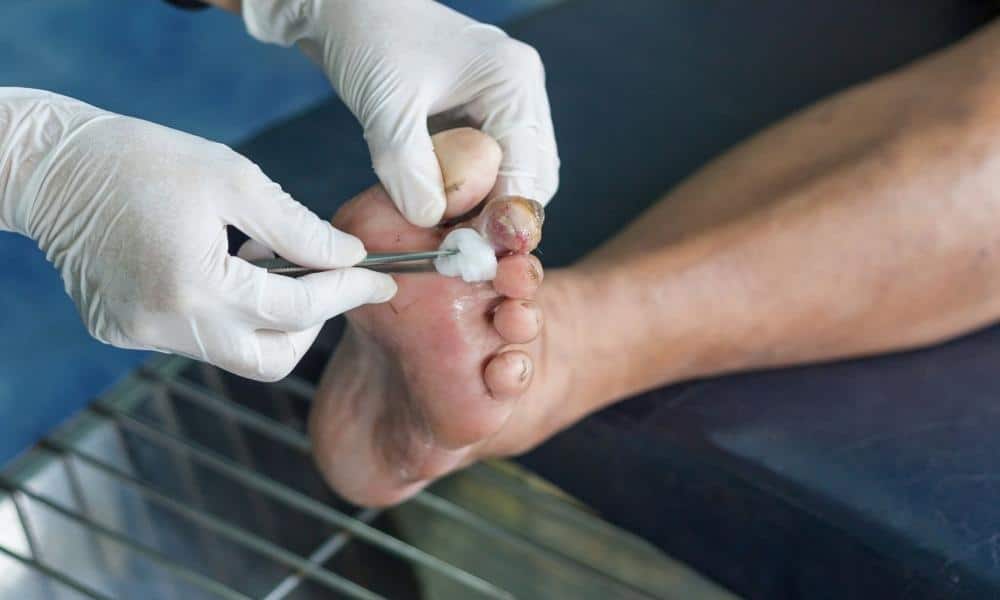




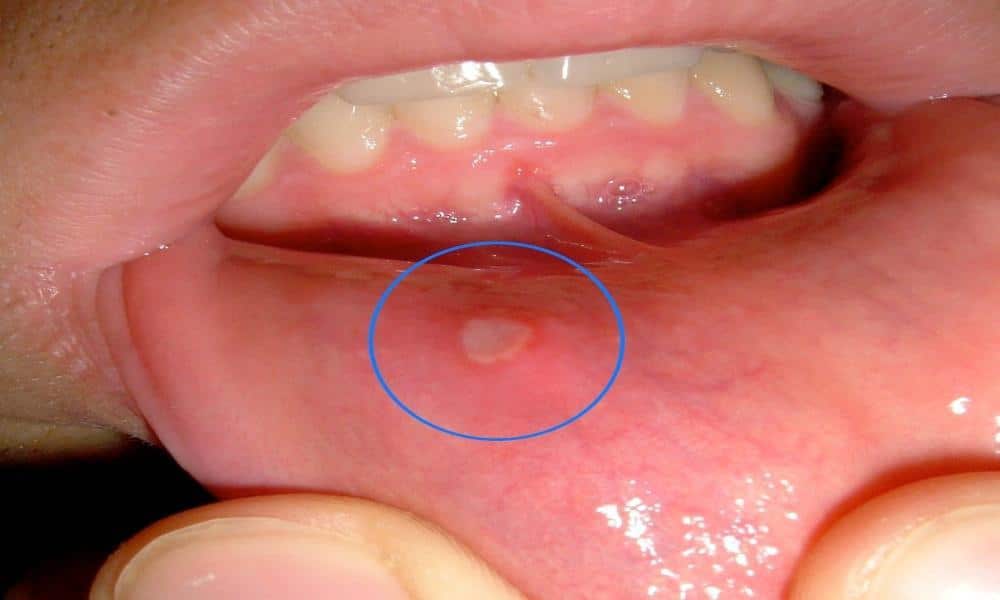
Diabetes can take its toll on your whole body, including putting you at risk of dental and oral health problems such as diabetic ulcers in the mouth and gum disease.

Mouth Ulcers

Mouth ulcers are sores or lesions that typically appear on the soft tissue and inner parts of the mouth such as the cheek or the roof of the mouth. In most cases, they´re irritating, not a serious cause for concern and disappear within a few days.

It´s not always clear what causes mouth ulcers, but triggers include stress, eating certain foods, hormonal changes, a sharp tooth and ill-fitting dental appliances such as braces.

Some conditions caused by diabetes can also lead to ulcer formation. For example, dry mouth and low resistance to infection create conditions for oral thrush. This fungal infection causes white or red patches on the skin in the mouth that can result in diabetic ulcers.

Diabetes And Oral Health Problems

In addition to diabetic ulcers, the most common oral health problems affecting people with diabetes are:

Tooth decay – higher blood sugar levels can lead to saliva with higher sugar content. This allows plaque to accumulate on the teeth leading to cavities.

Fungal infections such as thrush – oral thrush is caused by an overgrowth of Candida albicans, a yeast that occurs naturally in the mouth. Conditions caused by diabetes, such as high glucose in saliva and low saliva levels, can contribute to the development of oral thrush.

A dry, burning mouth – people with diabetes tend to have less saliva, which can leave them feeling parched or extra thirsty.

Periodontal (gum) disease – this condition is caused by an infection that destroys the bone surrounding and supporting teeth. People with lower than normal glucose levels tend to have a lower resistance to infection and a reduced healing capacity.

Changes in taste – high blood sugar can lead to a transient loss of taste. Diabetic neuropathy may also play a role by damaging nerves that perceive taste.

Slow healing – poor control of blood sugar can stop injuries like diabetic ulcers from healing quickly and properly.

Signs and Symptoms of Mouth Problems

A small reddish lesion that becomes more painful with time could be a mouth ulcer. Other signs and symptoms of mouth problems include:

  • Dryness, pain or soreness
  • Difficulty chewing, eating or swallowing
  • Chronic bad breath that doesn´t go away after you´ve brushed your teeth
  • White patches on your gums, the roof of your mouth, cheeks or tongue
  • Red, swollen gums
  • Bleeding from the gums, especially when brushing or flossing
  • Loose teeth
  • An irregular bite
  • Gums that appear to pull away from the teeth making them appear larger or longer

However, the good news is you can take control of your oral health straight away.

How To Keep Your Mouth Healthy

If you are a person living with diabetes and wish to prevent diabetic ulcers in the mouth and other dental and oral health problems, it´s a good idea to stick to the following tips.

  • Thoroughly clean your teeth twice daily for at least two minutes each time. Use fluoride-containing toothpaste and make gentle back and forth strokes over all your teeth. If holding a toothbrush is difficult for you, try an electric one.
  • Clean between your teeth with dental floss or interdental cleaners. These are special types of brushes that can remove dental plaque and food particles from areas where a toothbrush can’t reach.
  • Have regular check-ups with your dentist and ask for advice about preventative maintenance.
  • Regularly check your mouth for problems. If you notice anything unusual, contact your dentist.
  • Drink plenty of water and chew sugar-free gum to prevent dry mouth.
  • Eat a healthy diet.
  • If you wear dentures, remove them and clean them daily to lower your risk of infection. Poorly maintained or loose-fitting dentures can lead to infections and gum irritation.
  • Give up smoking. Smokers are more likely to produce bacterial plaque, which can lead to gum disease. Also, tobacco products reduce the amount of oxygen in the bloodstream, so infected gums don´t heal as quickly as they should. Smoking is bad for everyone, but if you have diabetes and you smoke, you´re at a greater risk of gum disease.

MINT Can Help You

If you are concerned about diabetic ulcers in the mouth or how diabetes may affect your oral health, contact Dr Goke Akinwande and his team at the Midwest Institute for Non-Surgical Therapy. They’re experts at treating diabetic wounds and can advise you on how best to manage your diabetes to maintain optimal oral and general health.

For more information or to schedule a consultation, please call MINT today or book an appointment online to visit at one of our 5 clinics, including the latest addition in Chicago, IL.

Dental Health
December 1, 2025  •  vineesh nair

Diabetic Ulcers in The Mouth and Other Dental Problems

Diabetes can take its toll on your whole body, including putting you at risk of dental and oral health problems such as diabetic ulcers in the mouth and gum disease. Mouth Ulcers Mouth ulcers are sores or lesions that typically appear on the soft tissue and inner parts of the mouth such as the cheek […]

Read Article →
Cosmetic Medical Services
December 1, 2025  •  vineesh nair

Non-Invasive Body Contouring – Tighten Up Your Weight Loss Program

Approximately 2 out of 3 US citizens are overweight, so congratulations on your weight loss efforts. Sadly, many people find themselves disappointed as they realize that despite shedding pounds, they still lack the desired appearance. If you’re one such person, the good news is that we offer a solution with non-invasive body contouring. What is body contouring? […]

Read Article →
Cancer
December 1, 2025  •  vineesh nair

10 Enlarged Prostate Myths and Facts You Need To Know

Learning that you have benign prostatic hyperplasia (BPH), commonly known as an enlarged prostate, can come as a shock. It’s natural to feel concerned about your diagnosis and have questions you need answers to. For your peace of mind, we’ve separated the myths from the facts surrounding BPH so you’re better prepared and feel more […]

Read Article →
Cancer
December 1, 2025  •  vineesh nair

Enlarged Prostate and Prostate Cancer – Is There A Connection?

According to the CDC, around 13 men in every 100 will get prostate cancer at some point in their lives. It’s the second most common cancer after breast cancer. Similarly, half of all males over 50 and 70% of males over 60 will experience problems associated with an enlarged prostate. So, is there a connection? The technical […]

Read Article →
Cancer
December 1, 2025  •  vineesh nair

Know The Difference Between BPH and Prostate Cancer Symptoms

Benign prostatic hyperplasia (BPH) and prostate cancer are two of the most common conditions affecting the prostate gland. Both conditions share similar symptoms which is why men often think they have prostate cancer when they don’t. This article discusses the difference between BPH and prostate cancer symptoms, so you can determine just how quickly you […]

Read Article →
Cancer
December 1, 2025  •  vineesh nair

Prostatitis Or BPH – What Condition Do I Have?

man searching medical condition on laptop If you’re experiencing urinary problems, you may be wondering whether you have prostatis or BPH. Prostatitis and BPH are two different problems that affect the prostate gland. Prostatitis means the gland is inflamed, often due to infection or other reasons. Meanwhile, BPH is when the prostate grows bigger but […]

Read Article →
Cancer
December 1, 2025  •  vineesh nair

What You Need To Know About Benign Prostatic Hyperplasia

Benign prostatic hyperplasia (BPH) is a non-cancerous prostate gland enlargement, mostly affecting men aged 50 or over. BPH is such a common condition that doctors believe all men will have an enlarged prostate if they live long enough. Typical signs include frequently having the urge to urinate and a weaker urine stream. Many men adapt […]

Read Article →
Brain and Nervous System Disorders
December 1, 2025  •  vineesh nair

From Diabetes to Trauma: The Top Triggers of Neuropathy

Neuropathy is a distressing medical condition that is estimated to affect over 20 million people in the US, but what triggers neuropathy, and what can you do to prevent or manage the condition? Understanding neuropathy Individuals with neuropathy encounter damage in their peripheral nerve cells, which are responsible for transmitting signals between the brain and other parts […]

Read Article →
Infertility
December 1, 2025  •  vineesh nair

What Are Varicoceles And How Do They Impact Fertility?

When we consider embarrassing health problems, hemorrhoids are among the first things that come to mind. Yet, there is another condition many men simply don’t talk about – varicoceles! So what are Varicoceles? It’s a condition that affects around 15% of all adult males and occurs when veins in the scrotum become dilated and enlarged, similar to varicose veins […]

Read Article →
Healthy Cooking and Eating
December 1, 2025  •  vineesh nair

Diet And Vein Health – How The Food You Eat Impacts On Vein Health

Just as the food you eat can impact your overall health, it can also affect your vein health. But while eating a good diet won’t eradicate existing conditions such as varicose veins, good nutrition can and will stop them from getting worse. So how do the foods you eat impact your vein health? Let’s take […]

Read Article →