
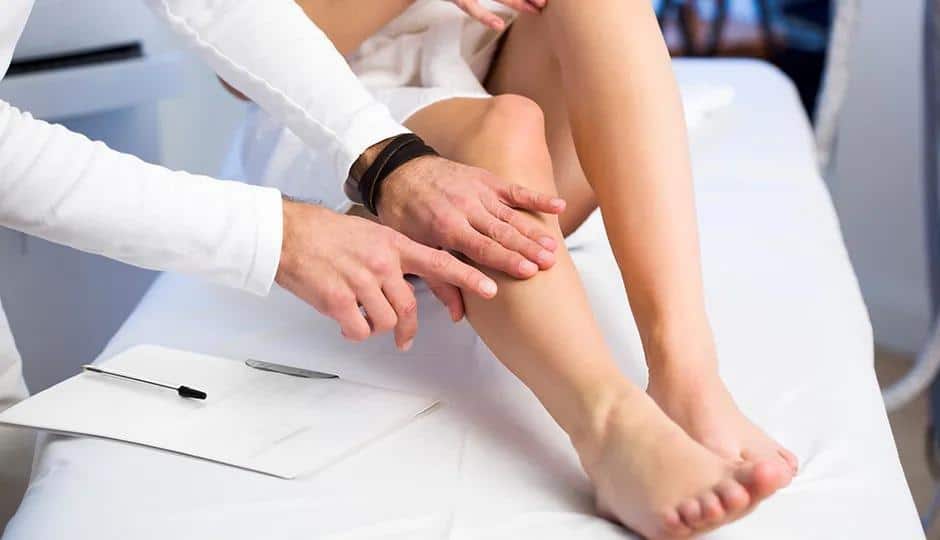
Typically, varicose veins are distinguished as unsightly blemishes just beneath the surface of the skin and while not always painful, it’s easy to ignore them hoping they will simply go away. The problem is that when left untreated, they can cause a whole host of varicose vein problems.

It’s true that most cases of varicose veins report symptoms of itching, discomfort in the legs and skin swelling. And while every case is different, we can say with some degree of certainty that in most cases, symptoms won’t go away. In fact, they are far more likely to get progressively worse.

As a result, any person suffering from the condition may want to take the time to learn about the dangers of leaving varicose veins untreated and the varicose vein problems they can cause. With this in mind, let’s take a closer look…

Hyperpigmentation

When varicose veins are left untreated, excess blood can leak into the skin tissue. This brings about painful swelling and discolouration of the skin

Lipodermosclerosis

When leg tissues are left inflamed they can stiffen and harden making the legs feel increasingly tender. This, in turn, makes it more difficult to relax or move around.

Venous leg ulcer

When it comes to varicose vein problems, one common condition that is closely linked is chronic venous insufficiency known as CVI. This is a condition where the valves in the leg veins aren’t working properly causing blood to pool in the veins. When this happens, sometimes it can cause the area underneath the skin to break down causing painful leg ulcers.

Leg bleeding

Another problem that varicose veins cause is spontaneous bleeding. Because problematic veins tend to break down the walls of the skin, even the slightest scratch or knock can cause excessive blood loss. While this is normally painless, any significant blood loss should be a concern.

Superficial thrombophlebitis

Varicose vein problems such as this are caused when the veins become bulged or twisted – as they often do when a person suffers from varicose veins. Any sufferers will know that blood flow through the veins becomes sluggish. This, in turn, can cause superficial blood clots technically known as superficial thrombophlebitis. When this happens, the veins become inflamed and the patient usually experiences a reddening of the skin and increasing tenderness. It can also cause the limb to swell.

Deep vein thrombosis

Perhaps the most severe problem related to varicose vein problems is deep vein thrombosis. More commonly known as DVT it occurs when blood clots are formed. While superficial clots like those listed above don’t usually travel to the lungs or cause a pulmonary embolism, for patients with severe varicose veins there is a risk that DVT might occur.

While varicose vein problems can range from mild to severe, those who suffer from the condition should contact a doctor for medical assistance. Here at the Midwest Institute for Non-Surgical Therapy (MINT), Dr Akinwande is a well-published and highly skilled physician. Using the latest image-guided endovascular procedures Dr A provides cutting-edge minimally invasive non-surgical treatments in the St Louis metro area. To book a consultation at one of our 5 clinics, including the latest addition in Chicago, IL, contact us on 314 255 2204 today. Don’t let your varicose vein problems become a step too far!

Foot Health
December 1, 2025  •  vineesh nair

Varicose Vein Problems And The Dangers Of Leaving Them Untreated

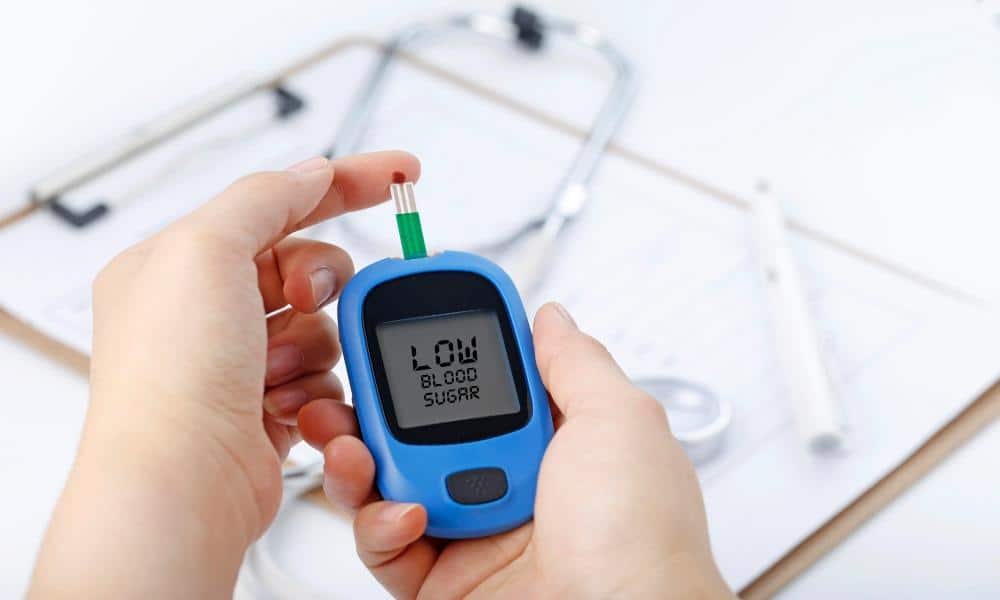
Typically, varicose veins are distinguished as unsightly blemishes just beneath the surface of the skin and while not always painful, it’s easy to ignore them hoping they will simply go away. The problem is that when left untreated, they can cause a whole host of varicose vein problems. It’s true that most cases of varicose […]
Read Article →
Foot Health
December 1, 2025  •  vineesh nair

What Are The Common Complications of Diabetic Ulcers on the Foot?

Diabetic ulcers on the foot are sores formed below the ankle as a result of a break in the skin that exposes layers underneath. Approximately one in four people with diabetes will develop at least one foot ulcer following diagnosis, and they’re responsible for more hospital admissions than any other diabetic complication. Diabetic foot ulcers typically start with an […]

Read Article →
Diabetes
December 1, 2025  •  vineesh nair

Walking on Pins and Needles: Coping with Diabetic Neuropathy

Diabetic neuropathy is a type of nerve damage that according to the Mayo Clinic can affect as many as 50% of people with diabetes. It usually damages nerves in the extremities (hands and feet) and is caused by high blood sugar levels. One common symptom is feeling like you’re walking on pins and needles which is […]

Read Article →
Foot Health
December 1, 2025  •  vineesh nair

When To Worry About Leg Pain (And When You Really Need To Take Action)

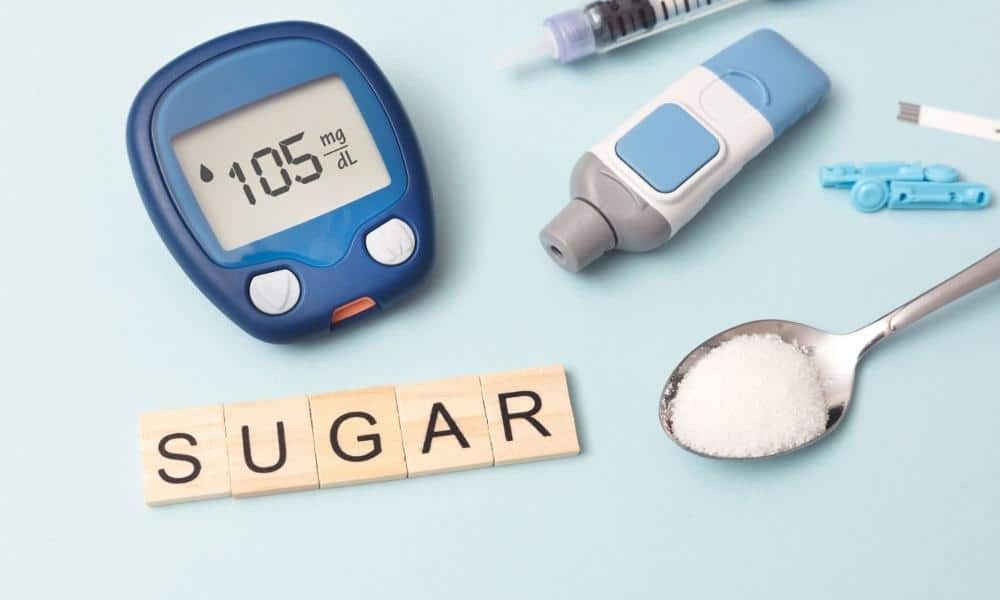
Even when we aren’t particularly active, our legs certainly are. They allow us to move while providing bodily support. In fact, it’s estimated that every time we walk, our legs have to withstand between 2-3 times our body weight. It’s no wonder then that leg pain is incredibly common. According to an extensive 2019 study […]
Read Article →
Diabetes
December 1, 2025  •  vineesh nair

Ways To Prevent Diabetic Neuropathy – 4 Effective Strategies

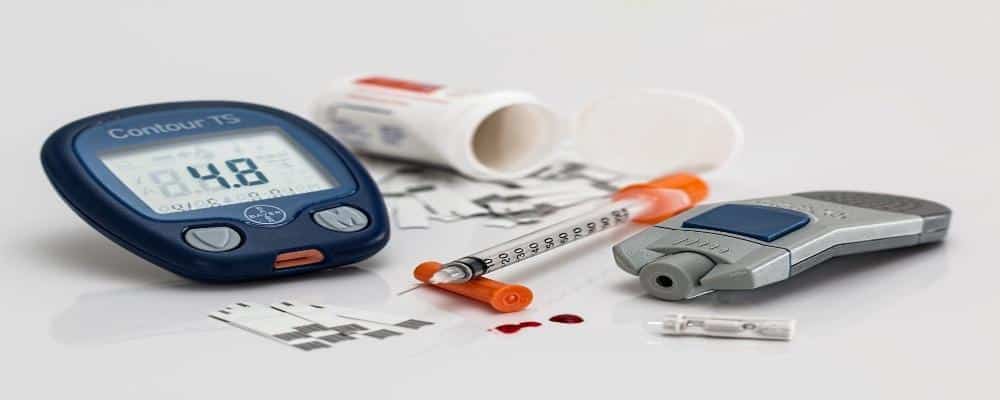
Nerve damage is a common occurrence, predominantly affecting the nerves in the legs and feet in those with diabetes. In this post, we explain neuropathy in more detail, its cause and symptoms, plus ways to prevent diabetic neuropathy or slow down its onset. Let’s get started! What is diabetic neuropathy? Neuropathy is a condition where […]
Read Article →
Diabetes
December 1, 2025  •  vineesh nair

What Is The Link Between Diabetes and PAD?

People with diabetes are at an increased risk of developing peripheral artery disease (PAD), a common circulatory problem caused by narrowing of the peripheral arteries (those that don’t supply blood to the heart and brain). This typically results in reduced blood flow to the head, arms, stomach and legs, causing such symptoms as leg pain […]

Read Article →