

Approximately 2 out of 3 US citizens are overweight, so congratulations on your weight loss efforts. Sadly, many people find themselves disappointed as they realize that despite shedding pounds, they still lack the desired appearance. If you’re one such person, the good news is that we offer a solution with non-invasive body contouring.

What is body contouring?

The majority of us want to feel happy with how our bodies look and also feel good from inside, but often this can’t be achieved with diet and exercise alone. This is where non-invasive body contouring comes in.

This effective cosmetic treatment helps you lose stubborn fat and shape your curves the way you want, without the need for invasive surgery like liposuction. While both methods permanently remove fat cells, there are significant differences between the two.

Non-surgical body contouring isn’t intended as a primary weight loss method. Instead, it targets specific areas of excess fat for elimination. It’s best utilized to address stubborn fat cells, particularly after traditional diet and exercise efforts haven’t produced desired results.

In contrast, liposuction is an invasive surgical procedure aimed at significant weight loss. It requires anesthesia, multiple incisions in unwanted fat areas, and the extraction of targeted fat cells.

How does it work?

Here at MINT STL, we use advanced laser technology that dissolves and eliminates fat cells to resolve the problems of loose skin and wrinkles commonly associated with weight loss. Body contouring or sculpting, as it’s also called, safely tightens loose skin without the hefty surgical cost and lengthy recovery time.

The eliminated fat cells are gradually processed by the lymphatic system, which naturally flushes out cellular waste from your body. Since these cells are permanently eradicated, maintaining regular exercise and a healthy body weight ensures long-lasting results.

One of the greatest advantages of non-surgical body contouring is that once the fat cells are eliminated, they don’t return. This is because when you gain weight or store excess fat, your body does not generate new fat cells. Instead, the existing fat cells expand.

It’s important to note, however, that if weight is gained, the existing fat cells will enlarge. Consequently, you may observe pockets of fat in new areas, reiterating the importance of maintaining a balanced diet and regular exercise routine.

Non-invasive body contouring offers more than just physical advantages; it can also bring about emotional benefits by boosting self-confidence and happiness, and creating a more balanced body shape.

Can anyone have body contouring procedures?

The ideal candidate for body contouring needs to have achieved their weight loss goal (or be no more than 20-30 pounds away) and be committed to keeping it off with exercise and a healthy diet. The patients that benefit most from body contouring will have stubborn fatty areas they dislike or excess skin but minimal excess fat.

How quickly do the results show?

It’s essential to understand that non-invasive body contouring relies on the body’s natural waste removal process, which means it takes time for the destroyed fat cells to be eliminated. You should start to see results within three weeks of your first session but it may take as long as four to six months to achieve the final results.

Are there any side effects?

A typical session lasts 30–60 minutes, and you won’t encounter intense pain! However, some clients may experience:

Most clients report feeling a slight pressure and mild cooling or warming sensation in the treated areas. These effects are temporary, and there’s no need for recovery time after the procedure.

What areas can non-invasive body contouring treat?

A significant advantage of non-surgical body contouring is its capacity to address multiple problematic areas simultaneously, including sensitive regions like the inner arms. At MINT STL, some of the most sought-after areas treated using non-surgical body contouring include:

While individual responses may vary, we may suggest commencing with small, targeted areas during each session for optimal results rather than treating all areas simultaneously.

How long is the recovery period?

Following surgery, it often takes weeks, and sometimes even longer, for your body to completely heal. This entails refraining from activities such as exercise and, in some cases, avoiding swimming pools or baths.

In contrast, with non-invasive body contouring, you can undergo a treatment session and resume your normal routine immediately afterward. This allows you to schedule treatment during your lunch hour or break and promptly return to daily activities, including exercise.

How do I get started with non-invasive body sculpting?

During an initial consultation, you’ll receive personalized attention from a clinician who will assist in identifying areas for reshaping.

Our team includes highly skilled professionals like Dr. Goke Akinwande. Your safety is our priority.

Following an assessment, and assuming you’re eligible for the procedure, a customized treatment plan will be tailored to your needsIf you’re not quite where you need to be, our other services also include a Semiglutide Weight Loss Program and Botox.

Why not schedule a consultation with the experienced team at MINT STL and take the first step to improving your shape and looking years younger.

Cosmetic Medical Services
December 1, 2025  •  vineesh nair

Non-Invasive Body Contouring – Tighten Up Your Weight Loss Program

Approximately 2 out of 3 US citizens are overweight, so congratulations on your weight loss efforts. Sadly, many people find themselves disappointed as they realize that despite shedding pounds, they still lack the desired appearance. If you’re one such person, the good news is that we offer a solution with non-invasive body contouring. What is body contouring? […]

Read Article →
Cancer
December 1, 2025  •  vineesh nair

10 Enlarged Prostate Myths and Facts You Need To Know

Learning that you have benign prostatic hyperplasia (BPH), commonly known as an enlarged prostate, can come as a shock. It’s natural to feel concerned about your diagnosis and have questions you need answers to. For your peace of mind, we’ve separated the myths from the facts surrounding BPH so you’re better prepared and feel more […]

Read Article →
Cancer
December 1, 2025  •  vineesh nair

Enlarged Prostate and Prostate Cancer – Is There A Connection?

According to the CDC, around 13 men in every 100 will get prostate cancer at some point in their lives. It’s the second most common cancer after breast cancer. Similarly, half of all males over 50 and 70% of males over 60 will experience problems associated with an enlarged prostate. So, is there a connection? The technical […]

Read Article →
Cancer
December 1, 2025  •  vineesh nair

Know The Difference Between BPH and Prostate Cancer Symptoms

Benign prostatic hyperplasia (BPH) and prostate cancer are two of the most common conditions affecting the prostate gland. Both conditions share similar symptoms which is why men often think they have prostate cancer when they don’t. This article discusses the difference between BPH and prostate cancer symptoms, so you can determine just how quickly you […]

Read Article →
Cancer
December 1, 2025  •  vineesh nair

Prostatitis Or BPH – What Condition Do I Have?

man searching medical condition on laptop If you’re experiencing urinary problems, you may be wondering whether you have prostatis or BPH. Prostatitis and BPH are two different problems that affect the prostate gland. Prostatitis means the gland is inflamed, often due to infection or other reasons. Meanwhile, BPH is when the prostate grows bigger but […]

Read Article →
Cancer
December 1, 2025  •  vineesh nair

What You Need To Know About Benign Prostatic Hyperplasia

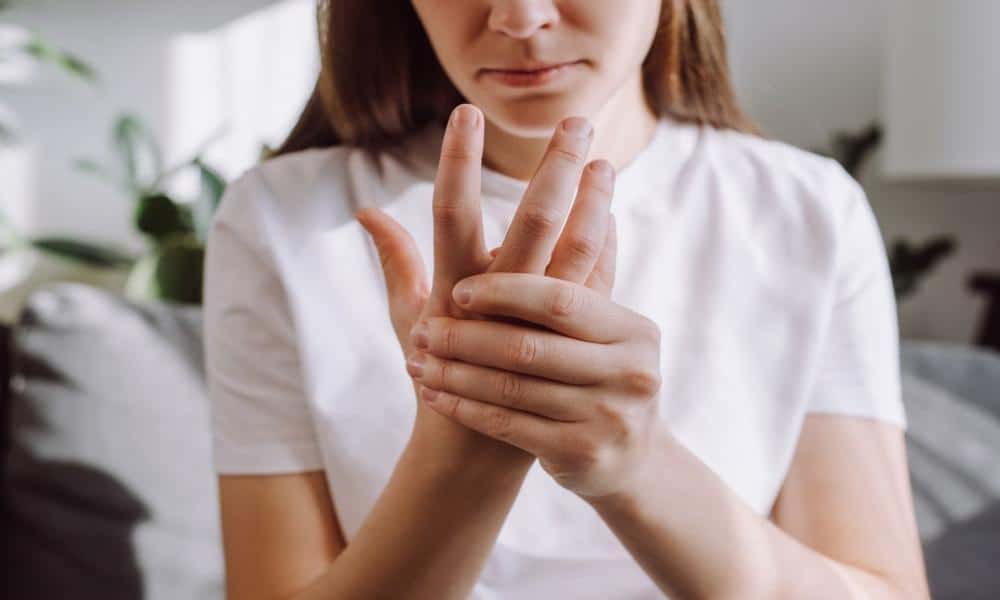
Benign prostatic hyperplasia (BPH) is a non-cancerous prostate gland enlargement, mostly affecting men aged 50 or over. BPH is such a common condition that doctors believe all men will have an enlarged prostate if they live long enough. Typical signs include frequently having the urge to urinate and a weaker urine stream. Many men adapt […]
Read Article →
Brain and Nervous System Disorders
December 1, 2025  •  vineesh nair

From Diabetes to Trauma: The Top Triggers of Neuropathy

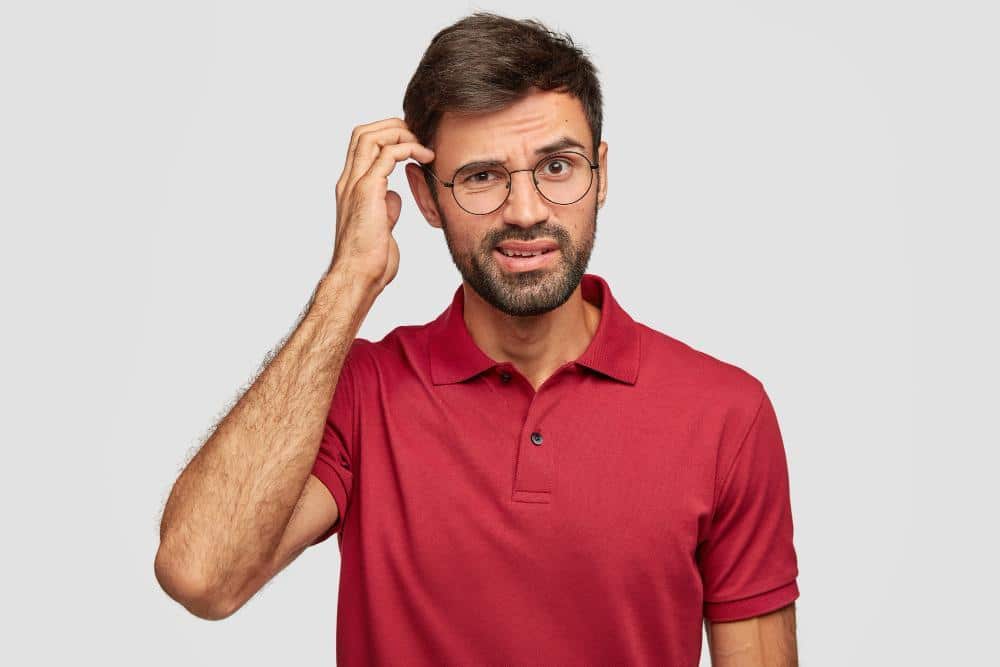
Neuropathy is a distressing medical condition that is estimated to affect over 20 million people in the US, but what triggers neuropathy, and what can you do to prevent or manage the condition? Understanding neuropathy Individuals with neuropathy encounter damage in their peripheral nerve cells, which are responsible for transmitting signals between the brain and other parts […]
Read Article →
Infertility
December 1, 2025  •  vineesh nair

What Are Varicoceles And How Do They Impact Fertility?

When we consider embarrassing health problems, hemorrhoids are among the first things that come to mind. Yet, there is another condition many men simply don’t talk about – varicoceles! So what are Varicoceles? It’s a condition that affects around 15% of all adult males and occurs when veins in the scrotum become dilated and enlarged, similar to varicose veins […]

Read Article →
Healthy Cooking and Eating
December 1, 2025  •  vineesh nair

Diet And Vein Health – How The Food You Eat Impacts On Vein Health

Just as the food you eat can impact your overall health, it can also affect your vein health. But while eating a good diet won’t eradicate existing conditions such as varicose veins, good nutrition can and will stop them from getting worse. So how do the foods you eat impact your vein health? Let’s take […]

Read Article →
Diabetes
December 1, 2025  •  vineesh nair

Diabetic Foot Ulcers and PAD – Understanding the Connection

According to research carried out by The Sage Group in November 2013 approximately 50% of patients suffering from a diabetic foot ulcer (DFU) were also suffering from peripheral artery disease (PAD). This was a significant find since research revealed that DFU with PAD is quite different concerning location, morbidity, severity, mortality and costs. Consequently, experts concluded that […]

Read Article →