
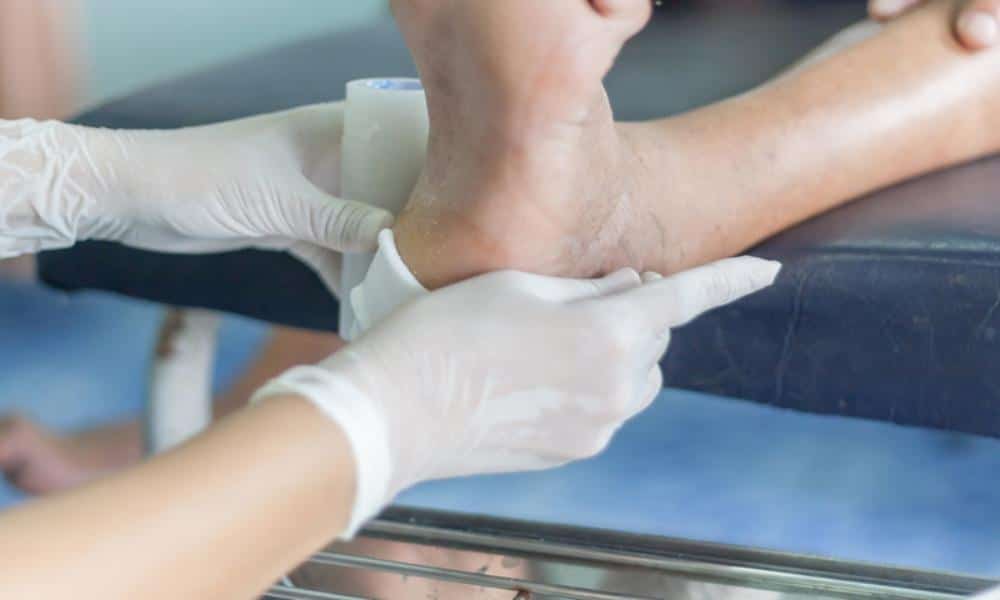
Diabetic ulcers on the foot can affect people with both type 1 and type 2 diabetes, occurring when the skin breaks down and skin layers beneath become exposed. These slow-healing wounds can become a serious health issue because they carry a high risk of infection, which may spread to the bone. Generally, antibiotics are effective, but if too much bone has been destroyed, it will have to be removed. According to the International Diabetes Federation, every 30 seconds, someone loses a lower limb or part of a lower limb because of diabetes.

Research suggests that 19% to 34% of people with diabetes will develop a foot ulcer at some point in their life. There are several types and knowing the differences between them helps podiatrists and doctors determine the right treatments.

Neuropathic Ulcers

Nerve damage (neuropathy) is one of the long-term complications of diabetes. It affects the nerves that carry touch, temperature and pain messages, especially nerves in the feet and legs. Neuropathic ulcers on the foot are caused by trauma or pressure which goes undetected due to a lack of sensation around pressure points. Calluses form at these sites and become so thick they traumatize the area beneath, causing ulceration. Minor cuts and scrapes also go undetected and therefore untreated and can eventually lead to the formation of ulcers.

Common sites of neuropathic ulcers: Pressure areas of the foot, such as the tips of toes, under the big toe and the sides of the foot and heel.

Appearance: Neuropathic ulcers are often round and have thick calluses on the surrounding skin. The depth of the wound depends on how much trauma the skin has been subjected to.

Ischemic Ulcers

Ischemic means reduced blood flow to a part of the body, and poor blood flow to the legs and feet damages tissue and causes cells to die. Ischemic ulcers occur when there is insufficient blood flow due to peripheral artery disease (PAD), an abnormal narrowing of the arteries. These diabetic ulcers are slow to heal and prone to rapid deterioration.

Common sites of ischemic ulcers: Toes, heels and the margins of feet.

Appearance: They can appear as pink, shallow open lesions with surrounding pink tissue. If the ulcer has dried up, there can be a black necrotic scab.

Neuroischemic Ulcers

These foot ulcers occur in people who have both peripheral neuropathy and ischemia resulting from peripheral artery disease. Neuroischemic ulcers are least likely to heal without intervention and, if infected, the risk of amputation is high.

Common sites of neuroischemic ulcers: Toes, margins of the foot and the dorsum of the foot. This is the part facing upward when a person is standing up. Neuroischemic ulcers can also develop on the tips of toes and beneath overly thick toenails.

Appearance: Pale or yellow-colored tissue that may have a halo of thin glassy callused skin. There can also be raised edges around the wound.

How to prevent diabetic ulcers on the foot

While diabetic ulcers are a common problem, they are preventable. Here are a few tips on how you can avoid them:

How MINT can help you

If you have diabetic foot ulcers or think you may have, book an appointment with Dr. Akinwande and the Midwest Institute for Non-Surgical Therapy team. Our expert and friendly podiatrists will provide you with the right kind of treatment for your ulcers. We’ll also give you the know-how to take good care of your feet to prevent a recurrence of the problem.

We look forward to seeing you at one of our 5 convenient treatment locations in the St Louis MO and IL area, including Chicago.

Foot Health
December 1, 2025  •  vineesh nair

A Closer Look at the Different Types of Diabetic Ulcers on the Foot

Diabetic ulcers on the foot can affect people with both type 1 and type 2 diabetes, occurring when the skin breaks down and skin layers beneath become exposed. These slow-healing wounds can become a serious health issue because they carry a high risk of infection, which may spread to the bone. Generally, antibiotics are effective, […]

Read Article →
Foot Health
December 1, 2025  •  mintdoc

And The Best Exercise For Those Suffering From PAD is…

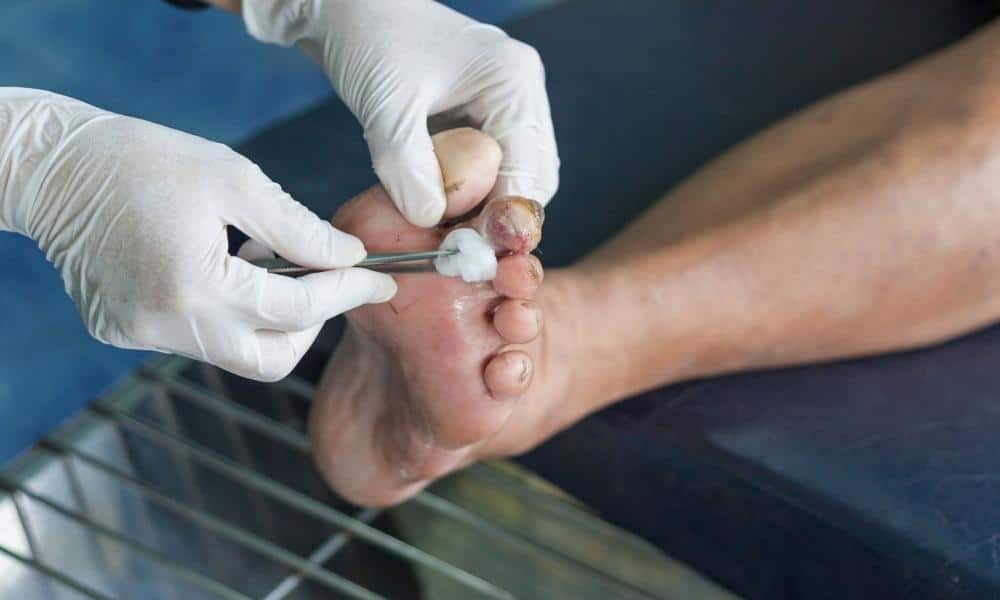
PAD or Peripheral Artery Disease affects 1 in 20 Americans and is a common circulatory problem. It occurs when severely narrowed arteries cause a reduction in blood flow to the limbs – Usually the legs. This, in turn, causes symptoms like leg pain, muscle pain or muscle cramping where the severity can vary from a […]
Read Article →
Foot Health
December 1, 2025  •  vineesh nair

Diabetic Foot Ulcer: Causes, Treatment & Prevention Tips

Blisters on the feet are typically caused by ill-fitting shoes rubbing against the skin or from the pressure of walking or running long distances. However, if you’re living with diabetes, a minor foot problem such as this can quickly escalate and turn into a painful, infected wound known as a diabetic foot ulcer, which can […]

Read Article →
Foot Health
December 1, 2025  •  vineesh nair

Preventing Diabetic Foot Ulcers – 5 Steps For A Healthy Journey

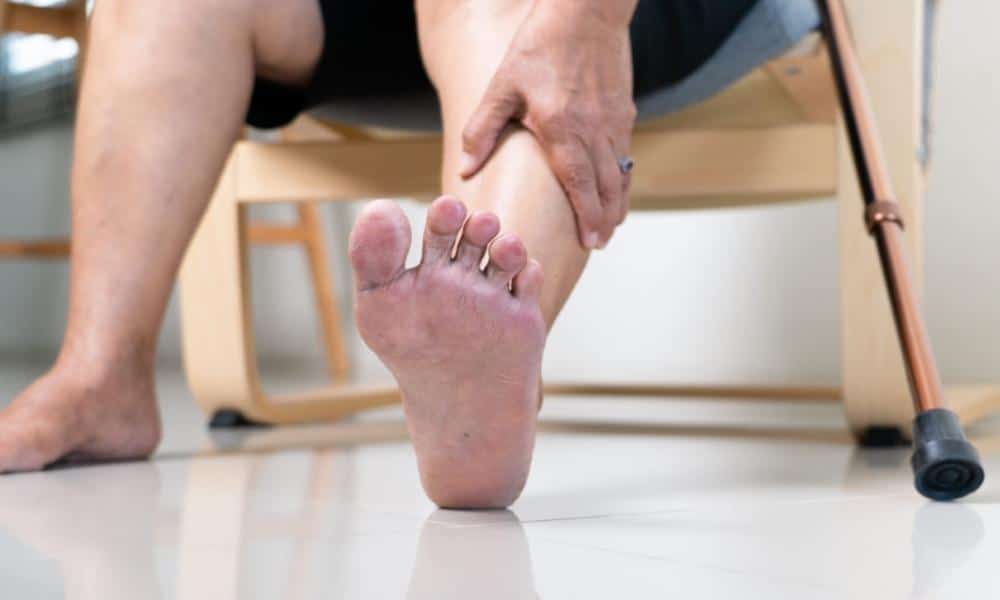
Diabetic wound infections are common and preventable occurrences that increase the risk of amputation. According to the American Podiatric Medical Association (APMA), approximately 15% of diabetic patients develop a diabetic foot ulcer and six per cent of those will be hospitalized due to wound infection or other complications. As with every other type of infection, […]
Read Article →
Foot Health
December 1, 2025  •  vineesh nair

How To Spot The Signs Of A Diabetic Ulcer On The Foot

A foot ulcer is one of the most common and serious complications for people with diabetes, occurring in approximately 15% of patients, according to the American Podiatric Medical Association. Diabetic ulcers on the foot can occur in anyone with type 1 and type 2 diabetes and refer to an open sore on the foot, usually […]

Read Article →
Foot Health
December 1, 2025  •  vineesh nair

The Dos and Don’ts of Diabetic Wound Care

Following any wound, the body’s immune system kicks into action. It sends blood clotting factors and other blood products to repair the injury and white blood cells to stop infections from taking hold. However, for a person with diabetes, the wound healing process is often slower. Poor circulation leads to decreased blood flow and oxygen […]

Read Article →
Foot Health
December 1, 2025  •  vineesh nair

Varicose Vein Problems And The Dangers Of Leaving Them Untreated

Typically, varicose veins are distinguished as unsightly blemishes just beneath the surface of the skin and while not always painful, it’s easy to ignore them hoping they will simply go away. The problem is that when left untreated, they can cause a whole host of varicose vein problems. It’s true that most cases of varicose […]

Read Article →
Foot Health
December 1, 2025  •  vineesh nair

What Are The Common Complications of Diabetic Ulcers on the Foot?

Diabetic ulcers on the foot are sores formed below the ankle as a result of a break in the skin that exposes layers underneath. Approximately one in four people with diabetes will develop at least one foot ulcer following diagnosis, and they’re responsible for more hospital admissions than any other diabetic complication. Diabetic foot ulcers typically start with an […]

Read Article →
Foot Health
December 1, 2025  •  vineesh nair

When To Worry About Leg Pain (And When You Really Need To Take Action)

Even when we aren’t particularly active, our legs certainly are. They allow us to move while providing bodily support. In fact, it’s estimated that every time we walk, our legs have to withstand between 2-3 times our body weight. It’s no wonder then that leg pain is incredibly common. According to an extensive 2019 study […]

Read Article →