



About 1 in 10 of us suffer from diabetes – that’s a whopping 37.3 million Americans. Furthermore, 1 in 5 people don’t even know they have the condition.

For individuals managing diabetes – a condition affecting blood sugar regulation – foot ulcers can be a common problem. These open sores can develop on the feet, posing significant health risks and should never be underestimated. This article provides valuable advice on preventing diabetic foot ulcers and stopping them from worsening.

What are foot ulcers exactly?

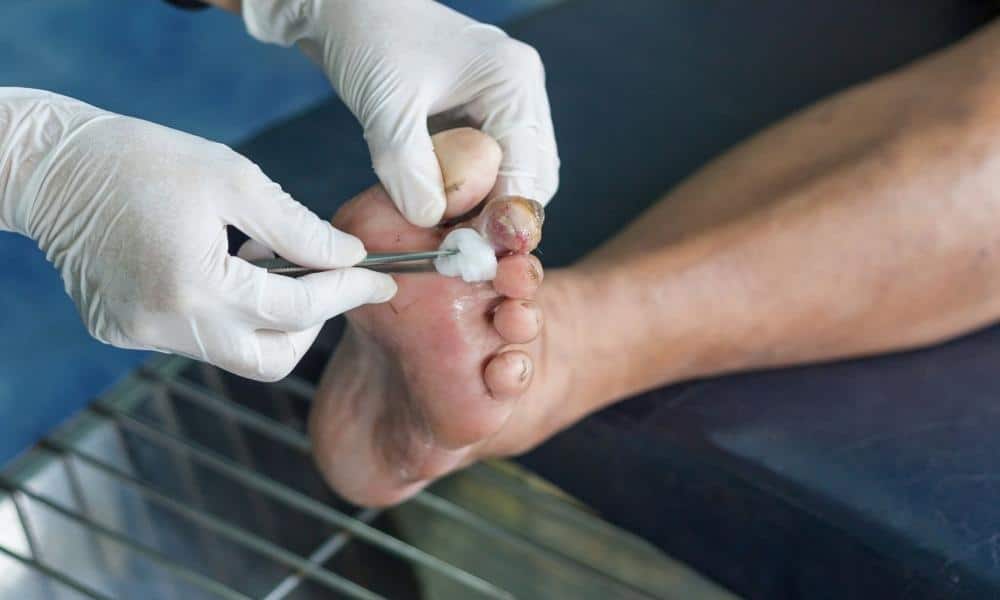
A foot ulcer is an open sore that develops across the foot often (but not always) as a complication of uncontrolled diabetes.

It could be that your ulcer started as a small cut or a blister that burst and never healed. Excessive, repeated pressure and friction can also cause the skin to slowly break down.

Diabetes is linked with peripheral neuropathy – a nerve damage condition that means you may be unable to feel your feet. Consequently, if you’re not paying attention to your feet, blisters, scrapes and cuts can go unnoticed for hours or days.

Whatever the cause of the ulcer, it is likely to worsen without treatment. Diabetes reduces blow flow to the legs and feet, which is known as Lower Extremity Arterial Disease, and this, in turn, restricts the supply of nutrients and oxygen and prolongs the healing period. As a result, diabetic foot ulcers can take weeks or even months to fully heal.

Why are diabetic foot ulcers so dangerous?

Because foot ulcers are open sores they can easily become infected, and the longer the sore remains open, the greater your risk of infection. That’s because the same circulatory issues that affected your body’s ability to heal have also reduced its ability to fight off germs.

An infection that originates in the ulcer can spread through the bloodstream to a bone in the foot. Bone infections present a significant health risk, which in severe cases can require the affected foot to be amputated to stop the progression and save your life.

How common is this outcome?

It’s estimated that around 200,000 Americans have amputations each year. Of that number, approximately 130,000 have diabetes and around 80% of these incidents started with a foot ulcer.

So, the answer is: the outcome is extremely common and very dangerous!

How to prevent diabetic ulcers from developing

Fortunately, most ulcers and any further complications are avoidable provided you follow the five recommendations detailed below.

  1. Daily foot inspection

It’s essential to check both feet each day for cuts, scratches, blisters and ingrown toenails. If you can’t reach the bottom of your feet, then try using a mirror as blisters tend to form in that area. Also, monitor your feet for signs of infection like redness, swelling, and warmth, and seek immediate treatment if you notice any changes.

  1. Proper Footwear:

Wearing ill-fitting shoes increases the risk of developing blisters. Ensure that your shoes are neither too tight nor too loose. Foot size and width may change over time, so it’s wise to have your feet measured when buying new shoes. Choose shoes with half an inch of space between the toes and the tip of the shoe and ample arch support. Opt for clean, dry socks without tight elastic bands that might restrict blood flow. Avoid walking barefoot or wearing sandals that expose your feet to potential harm, and stay away from high-heeled shoes as they can cause skin pinching and blisters.

  1. Blood Sugar Management:

Monitoring and maintaining healthy blood sugar levels is crucial if you have diabetes. High blood sugar can lead to foot complications and hinder healing. Speak to your health care team about counting carbs in food and drinks which is an important tool for managing blood sugar levels.

  1. Weight loss

Excess weight places additional stress on your feet, potentially leading to friction and the development of blisters and cuts. Try and lose some weight by eating more healthily and exercising regularly. In cases where obesity affects blood sugar control, you can discuss the possibility of weight loss surgery with your doctor.

  1. Tobacco Cessation:

Tobacco products contain chemicals that impede the healing process and can hinder recovery from foot ulcers. They are also associated with circulatory problems that increase the risk of lower extremity arterial disease, reducing blood flow in the legs and feet. Quitting smoking is challenging, but the hard work is worth it if you want to save a limb!

The lowdown

Diabetic foot ulcers and leg wounds are preventable with vigilance and proper care. However, they don’t heal like typical injuries and require specialist care.

Here at MINT, we provide comprehensive diabetic wound care and following an initial consultation, we will create your customized treatment plan.

Considering that most diabetic sores are linked to inadequate blood circulation, we will conduct an ultrasound study to evaluate your vascular flow. If any issues arise concerning your flow, an angiogram can be conducted to enhance circulation without the need for extensive surgery.

If you are dealing with a diabetic wound, it’s crucial not to postpone treatment. Instead, reach out to the Midwest Institute for Non-Surgical Therapy promptly, either by phone or by scheduling an appointment online. This timely action could make all the difference in preserving your limb and ultimately, your life.

Photo attribute: image by Rawpixel.com on Freepik

Diabetes
May 24, 2026  •  vineesh nair

Preventing Diabetic Foot Ulcers – 5 Steps For A Healthy Journey

About 1 in 10 of us suffer from diabetes – that’s a whopping 37.3 million Americans. Furthermore, 1 in 5 people don’t even know they have the condition. For individuals managing diabetes – a condition affecting blood sugar regulation – foot ulcers can be a common problem. These open sores can develop on the feet, […]
Read Article →
Diabetes
December 1, 2025  •  vineesh nair

Coronavirus and Diabetes: Frequently Asked Questions

COVID-19 is still a new disease, and there is a lot we don´t know. However, new information is being unearthed all the time, including the relationship between coronavirus and diabetes. In this article, we´re going to answer some of the frequently asked questions about how COVID-19 impacts people with diabetes. We hope you find it […]

Read Article →
Diabetes
December 1, 2025  •  vineesh nair

Diabetes and Foot Complications

The term diabetic foot typically refers to ever-increasing complications in the feet of people suffering from diabetes mellitus. Peripheral neuropathy, one of the most prevalent foot problems associated with diabetes, can lead to vascular disease, ulceration and place a person at increased risk of infection. It can also, in some cases, lead to deformities such […]

Read Article →
Diabetes
December 1, 2025  •  vineesh nair

Diabetes and Gangrene – What’s the Connection?

Without early diagnosis and treatment, gangrene can quickly lead to the need for limb amputation. If you have diabetes, recognizing the symptoms of gangrene and understanding why you face a greater risk of developing it is critical. What is gangrene? Gangrene is a condition whereby the skin and soft tissue on a certain part of […]

Read Article →
Diabetes
December 1, 2025  •  vineesh nair

Diabetes, Infections and the Different Types of Gangrene: What You Need To Know

Gangrene is the death of body tissue due to infection and a loss of blood supply. The condition is typically caused by an injury and commonly affects the extremities – fingers, feet and toes. People with diabetes are at an increased risk of developing gangrene because uncontrolled blood sugar levels can damage nerves and the […]

Read Article →
Diabetes
December 1, 2025  •  vineesh nair

Diabetic Foot Ulcers and PAD – Understanding the Connection

According to research carried out by The Sage Group in November 2013 approximately 50% of patients suffering from a diabetic foot ulcer (DFU) were also suffering from peripheral artery disease (PAD). This was a significant find since research revealed that DFU with PAD is quite different concerning location, morbidity, severity, mortality and costs. Consequently, experts concluded that […]

Read Article →
Diabetes
December 1, 2025  •  vineesh nair

– Diabetic Wounds And Other Warning Signs That Appear On The Skin

Diabetes affects many parts of the body, including the nerves, heart, brain, kidneys and skin. Healthy people experience similar skin problems, but those with diabetes are at a higher risk. From blisters and diabetic wounds to dry skin and reddish or brown patches, there are numerous warning signs you could be suffering from a diabetes-related […]

Read Article →
Diabetes
December 1, 2025  •  vineesh nair

Five Of The Best Types Of Food For Diabetic Neuropathy

Neuropathy is a complication of diabetes that can cause nerve damage throughout the body. Without treatment, it can lead to infection and potentially amputation of the affected area. Around 50% of people with diabetes have some form of nerve damage that causes various health problems and impacts their quality of life. Fortunately, neuropathy isn’t inevitable and controlling […]

Read Article →
Diabetes
December 1, 2025  •  vineesh nair

Mind Over Pain: Mental Health Strategies for Coping with Diabetic Neuropathy

Diabetes is a condition that is estimated to affect more than 529 million people worldwide yet, surprisingly, many people don’t realise that the condition extends way beyond physical symptoms and can significantly impact mental health. Understanding Diabetic Neuropathy High blood sugar is the thing that comes to mind when most people consider diabetes. But were you aware […]

Read Article →
Foot Health
December 1, 2025  •  vineesh nair

The Importance of Good Footwear For People With Diabetes

When you have diabetes, you need to take extra special care of your feet. People with metabolic disease are at increased risk of suffering from impaired circulation and nerve damage in their feet. Wearing uncomfortable and ill-fitting shoes can make you more susceptible to developing a harmful condition. That’s why it’s important to check your […]

Read Article →