
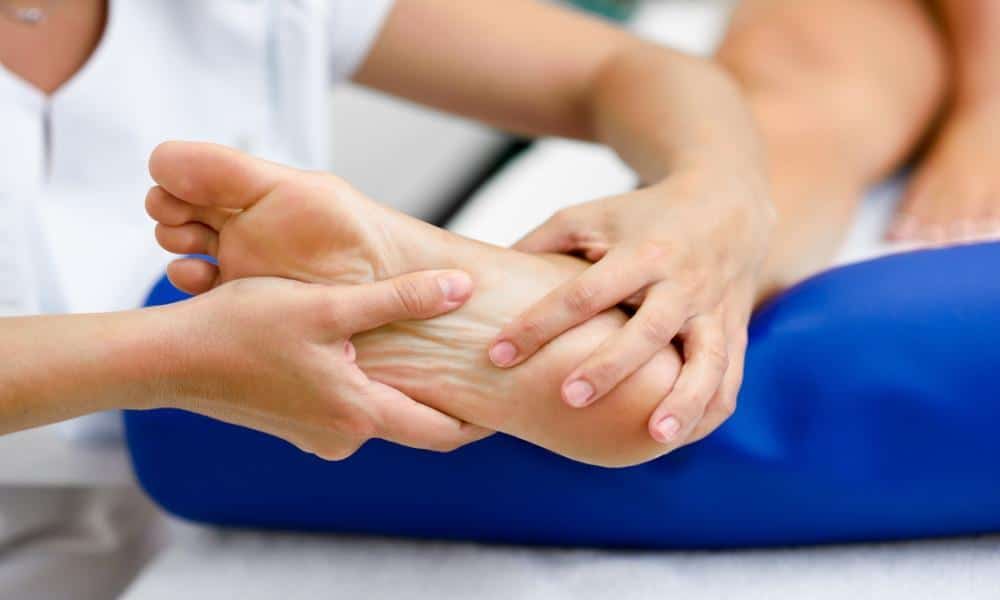
When you have diabetes, you need to take extra special care of your feet. People with metabolic disease are at increased risk of suffering from impaired circulation and nerve damage in their feet. Wearing uncomfortable and ill-fitting shoes can make you more susceptible to developing a harmful condition. That’s why it’s important to check your feet daily and choose your footwear wisely.

Good shoes can ensure your feet stay healthy and injury-free, so here are a few tips to help you find the right footwear.

Find The Right Size Shoes

It is essential to wear shoes that fit well. According to a study by the University of Dundee, around three-quarters of people with diabetes wear ill-fitting shoes. Wearing shoes that are too small or not wide enough can cause blisters which could turn into ulcers that become infected.

If you haven’t had your feet measured for some time, visit a shoe store to get an accurate measurement. Some people have one foot bigger than the other so ask for both feet to be measured. To ensure a comfortable fit, try on shoes while wearing socks you usually wear as well as any orthotics or inserts. If you have bone spurs, bunions or other protrusions on your feet, look for shoes that don´t put pressure on those areas.

It’s a good idea to try shoes on toward the end of the day when your feet are more likely to be a little swollen. If the shoes fit while your feet are in this state, they are likely to feel comfortable the rest of the time.

Wear Shoes That Don’t Have Pointed Toes

Your toes need room to flex as you move and shouldn´t scrape the top of the shoe. Ideally, there should be at least the width of half a thumb between the end of your longest toe and the inside tip of the shoe.

Look For Lots of Cushioning

People with diabetes need to wear shoes that provide a lot of cushioning and comfort to help prevent diabetic foot complications. Select footwear that offers plenty of heel and arch support and cushions the ball of the foot, the padded part of the sole between the toes and the arch. Look for cushioned soles instead of thin leather soles, as these will provide better shock absorption.

Choose Breathable Fabrics

Natural fabrics such as leather, suede, and canvas are an excellent choice because they prevent excess moisture build-up that can lead to fungal infections and blisters.

Ensure Shoes Provide Full Coverage

While there are plenty of diabetic-friendly sandals out there, many experts advise wearing shoes that cover the whole foot to prevent injuries. Open-toe shoes can make you prone to injuries and let gravel and stones inside that can rub against your feet. Even minor cuts can be problematic if they get infected.

Be sure to check inside the shoes for stiff seams or rigid structures that could irritate your feet.

Select Easily Adjustable Shoes

Choose shoes with laces rather than slip-ons because they tend to fit better and can be easily loosened when needed. Shoes with Velcro are a good idea because they allow you to control the tightness and are easier to handle for people with dexterity problems.

Types of Shoes To Avoid

When shopping for shoes, it’s best to avoid:

Remember To Check Your Feet

Wearing comfortable and well-fitting shoes is only one part of ensuring you have happy, healthy feet. Remember to check your feet daily for signs of rubbing caused by shoes and other injuries. Start at your toes and work your way back to your ankle, checking every part of your feet, top and bottom. If you are unable to reach your feet, ask a family member to help you.

If you notice any sores or blisters, contact your doctor immediately. Prompt treatment is essential to prevent minor issues from developing into significant problems such as infections that won’t heal or amputations.

At the Midwest Institute for Non-Surgical Therapy (MINT), we provide comprehensive diabetic wound care treatments. To schedule a free consultation at one of our five convenient locations throughout the St Louis area, MO and Chicago IL, call MINT today on 314 255 2204.

Foot Health
December 1, 2025  •  vineesh nair

The Importance of Good Footwear For People With Diabetes

When you have diabetes, you need to take extra special care of your feet. People with metabolic disease are at increased risk of suffering from impaired circulation and nerve damage in their feet. Wearing uncomfortable and ill-fitting shoes can make you more susceptible to developing a harmful condition. That’s why it’s important to check your […]

Read Article →
Diabetes
December 1, 2025  •  vineesh nair

The Importance of Exercise When You Have Diabetes

Exercise can benefit everyone, including people with diabetes. It can play an essential part in managing your condition, blood sugar levels and weight, as well as improving your overall health and wellness. In fact, physical exercise is so important that the American Diabetes Association (ADA) recommends that people with type 2 diabetes should perform at least 150 […]
Read Article →
Foot Health
December 1, 2025  •  vineesh nair

Varicose Vein Problems And The Dangers Of Leaving Them Untreated

Typically, varicose veins are distinguished as unsightly blemishes just beneath the surface of the skin and while not always painful, it’s easy to ignore them hoping they will simply go away. The problem is that when left untreated, they can cause a whole host of varicose vein problems. It’s true that most cases of varicose […]

Read Article →
Foot Health
December 1, 2025  •  vineesh nair

What Are The Common Complications of Diabetic Ulcers on the Foot?

Diabetic ulcers on the foot are sores formed below the ankle as a result of a break in the skin that exposes layers underneath. Approximately one in four people with diabetes will develop at least one foot ulcer following diagnosis, and they’re responsible for more hospital admissions than any other diabetic complication. Diabetic foot ulcers typically start with an […]

Read Article →
Diabetes
December 1, 2025  •  vineesh nair

Walking on Pins and Needles: Coping with Diabetic Neuropathy

Diabetic neuropathy is a type of nerve damage that according to the Mayo Clinic can affect as many as 50% of people with diabetes. It usually damages nerves in the extremities (hands and feet) and is caused by high blood sugar levels. One common symptom is feeling like you’re walking on pins and needles which is […]

Read Article →
Foot Health
December 1, 2025  •  vineesh nair

When To Worry About Leg Pain (And When You Really Need To Take Action)

Even when we aren’t particularly active, our legs certainly are. They allow us to move while providing bodily support. In fact, it’s estimated that every time we walk, our legs have to withstand between 2-3 times our body weight. It’s no wonder then that leg pain is incredibly common. According to an extensive 2019 study […]

Read Article →
Diabetes
December 1, 2025  •  vineesh nair

Ways To Prevent Diabetic Neuropathy – 4 Effective Strategies

Nerve damage is a common occurrence, predominantly affecting the nerves in the legs and feet in those with diabetes. In this post, we explain neuropathy in more detail, its cause and symptoms, plus ways to prevent diabetic neuropathy or slow down its onset. Let’s get started! What is diabetic neuropathy? Neuropathy is a condition where […]

Read Article →
Diabetes
December 1, 2025  •  vineesh nair

What Is The Link Between Diabetes and PAD?

People with diabetes are at an increased risk of developing peripheral artery disease (PAD), a common circulatory problem caused by narrowing of the peripheral arteries (those that don’t supply blood to the heart and brain). This typically results in reduced blood flow to the head, arms, stomach and legs, causing such symptoms as leg pain […]

Read Article →