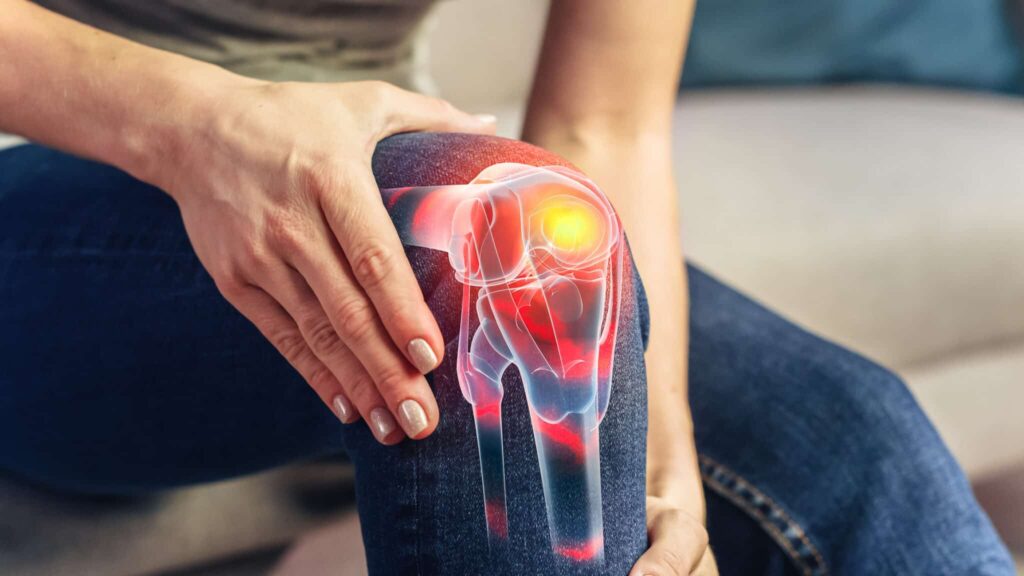
Knee Pain (Often Osteoarthritis)

Knee pain can limit walking, exercise, and day-to-day activities. One of the most common causes is knee osteoarthritis, where joint changes and inflammation create ongoing pain and stiffness.

Many people start with conservative options like physical therapy, medications, and injections. For selected patients who want to avoid or delay knee replacement, Genicular Artery Embolization (GAE) may be a minimally invasive option.

At a glance:

  • Most chronic knee pain is related to osteoarthritis, but evaluation matters to rule out other causes.
  • Common first-line options include activity modification, physical therapy, and anti-inflammatory strategies.
  • Knee injections may help selected patients (type depends on your situation).
  • GAE is a minimally invasive option for selected patients with osteoarthritis-related knee pain.

Common causes of knee pain

Knee pain can come from several sources. A consultation helps determine which pathway fits your goals.

  • Osteoarthritis (cartilage wear + inflammation)
  • Tendon or ligament irritation (overuse)
  • Meniscus problems
  • Inflammatory conditions (less common)

Red flags: when to seek urgent evaluation

Seek urgent care if you have:

  • A major injury or deformity
  • Inability to bear weight
  • Fever with a hot, swollen knee
  • Rapidly worsening swelling or severe pain

When injections may help

We start with your symptoms and a focused exam, then usually recommend a venous reflux ultrasound to evaluate vein valve function and map the veins.

If symptoms suggest deeper venous involvement (for example, persistent one‑sided swelling or history of clot), we may discuss additional evaluation options.

  • The goal is to identify the true source of symptoms, not just treat what’s visible.

When GAE may be considered

For certain patients with osteoarthritis-related knee pain that hasn’t improved with conservative care (including medications, injections, or physical therapy), GAE may be an option to reduce inflammation in the knee.

  • Chronic knee pain affecting daily life
  • Osteoarthritis on imaging/evaluation
  • Looking for a minimally invasive alternative to surgery

Next Step

A knee pain consultation helps clarify what’s causing symptoms and which treatment options are worth considering next—based on your goals and medical history.

Medical information is for general education and is not a substitute for personalized medical advice. For emergencies (severe sudden symptoms, chest pain, shortness of breath), call 911.

FAQs

Is knee pain always osteoarthritis?

No. Osteoarthritis is common, but meniscus issues, tendon problems, and other conditions can also cause knee pain.

Do knee injections work?

They can help selected patients, but the best type of injection depends on your diagnosis and prior response to treatment.

What is Genicular Artery Embolization (GAE)?

GAE is a minimally invasive, image-guided procedure that targets small arteries around the knee that may contribute to inflammation in osteoarthritis-related knee pain.

Is GAE a replacement for knee replacement surgery?

Not necessarily. GAE may help selected patients reduce pain and improve function and may help delay more invasive options. Your consultation will clarify whether it fits your situation.

How long is recovery?

Recovery varies; many patients return home the same day. Your provider will review expected downtime and activity progression.